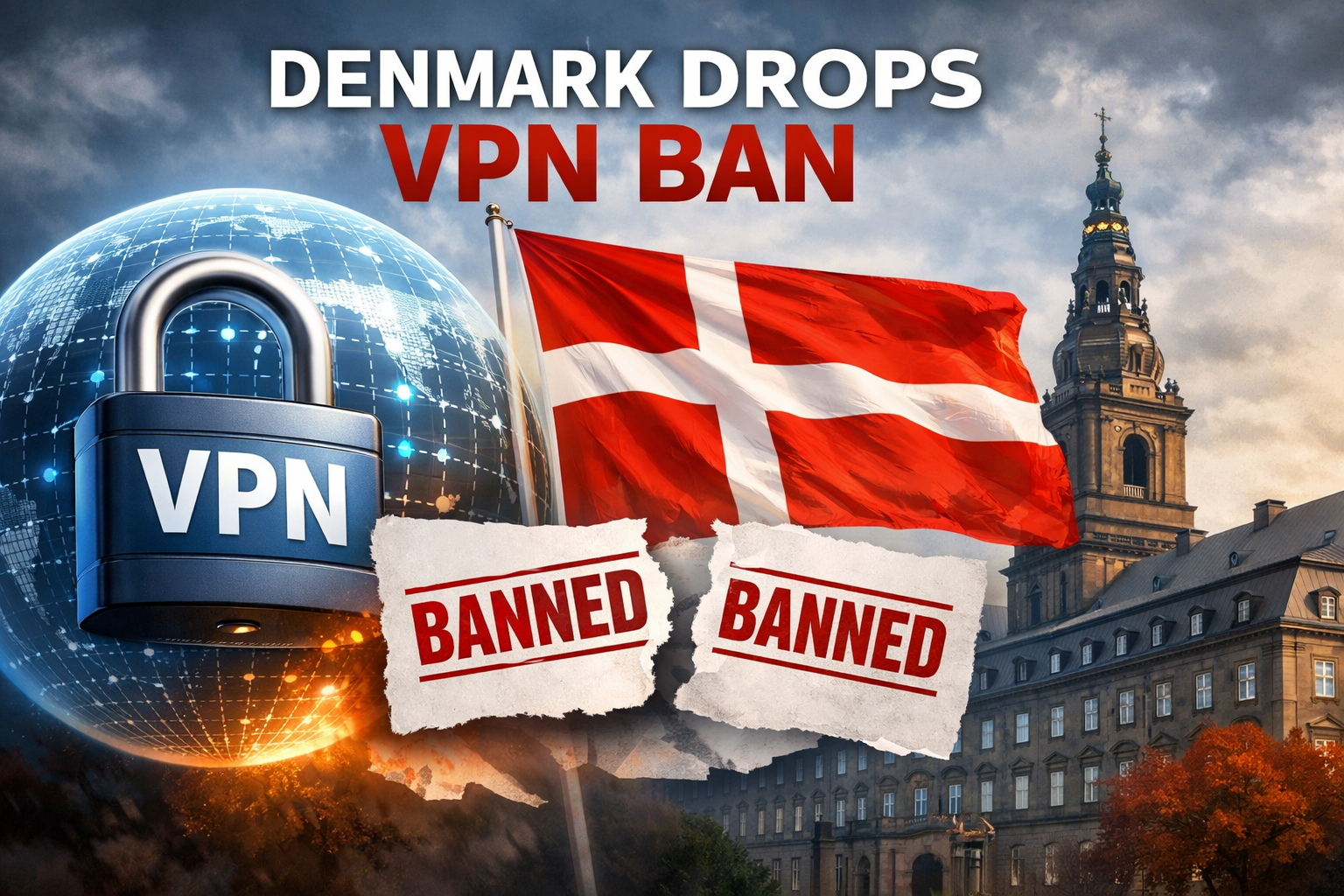
Denmark’s government recently faced heavy criticism over a proposed change to its copyright enforcement laws that would have made it illegal to use virtual private networks (VPNs) to access geo-blocked streaming content or bypass blocks on certain websites. The draft law, introduced by the Ministry of Culture, was part of a broader effort to crack down on online piracy, with officials saying the aim was to protect copyright holders by targeting tools used to evade regional restrictions on media. Critics quickly warned that the language in the proposal was too vague and could sweep in legitimate uses of VPNs, which millions of people rely on for privacy and secure internet access.
The backlash from privacy advocates, tech experts, and the public was swift and intense. Opponents argued that a ban on VPN use would undermine basic digital freedoms and risk criminalising everyday behaviour, from securing one’s connection on public Wi-Fi to accessing services while travelling abroad. Many pointed out that VPNs are widely regarded as essential tools for protecting personal data and that restricting them could set a troubling precedent for internet freedoms in Denmark — and potentially across Europe.
In response to the uproar, Culture Minister Jakob Engel-Schmidt announced that the contentious section of the bill would be removed, clarifying that there is no intention to outlaw VPNs outright. He acknowledged that the original wording caused confusion and emphasised that the government did not want to criminalise VPN use. With that part of the proposal scrapped, VPNs remain legal in Denmark, which privacy advocates hailed as a significant victory for digital rights. The rest of the anti-piracy legislation will continue without the provisions that raised such alarm.