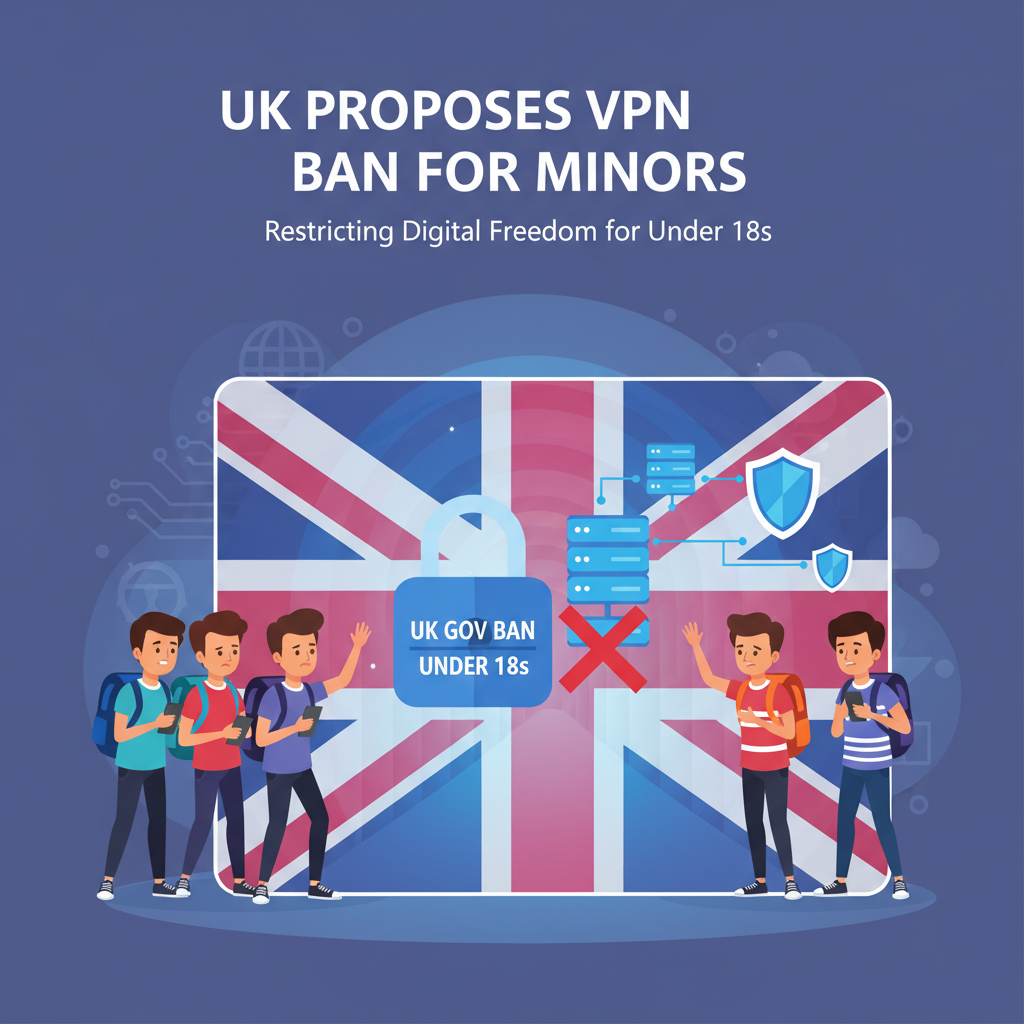
According to experts who spoke to tech site Mashable, age verification is only the primary method of censorship that governments around the world are pursuing. Following primary regulation, such as age verification, will come “second order censorship” which the same governments will justify as necessary to make their primary censorship effective. In the UK, we are seeing this play out now, as the House of Lords voted to allow an amendment to the government’s Children’s Wellbeing and Schools Bill which would ban VPN usage for children.
According to the amendment: “Within 12 months of the day on which this Act is passed the Secretary of State must, for the purpose of furthering the protection and wellbeing of children, make regulations which prohibit the provision to UK children of a Relevant VPN Service.“
Whilst preventing children from accessing pornographic content may be a laudable aim, there has been concern that the Online Safety Bill has led to censorship of political posts and news stories. For example, UK residents have discovered that images and videos showing breaking news in places like Iran have been inaccessible – with a message that X needs to verify the users age. Whilst UK adults can go through the bothersome process of age verification, that option is not available to 16 and 17 year old British ‘children’, who can now vote in all elections, including the general election.
The UK is also under pressure to introduce a social media ban for children under the age of 16. Whilst this might have merits, it seems few people are discussing the wisdom of this given that 16 year olds now have the vote and that young people get most of their information about the world (and politics) from social media.