How VPNs Work: A Simple Explanation in Plain English
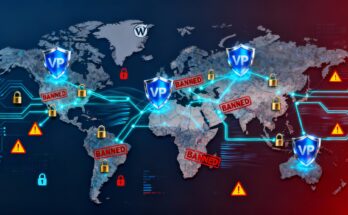
VPNs, or Virtual Private Networks, are like a secret tunnel for your internet traffic. Imagine you’re sending letters through the mail—normally, anyone could peek inside or see where they’re coming from. A VPN wraps your letters in an encrypted envelope and sends them through a private route, so only the intended recipient can read them. Let’s break it down step by step in plain English.
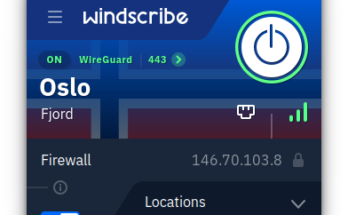
First off, when you connect to a VPN, your device (like your phone or computer) establishes a secure connection to a VPN server, which is usually run by a VPN service provider. This connection creates what’s called an “encrypted tunnel.” All your internet data—whether you’re browsing websites, streaming videos, or sending emails—gets routed through this tunnel instead of going directly from your device to the internet.
Here’s the magic part: as your data travels through the tunnel, it’s encrypted. That means it’s scrambled into unreadable code using strong algorithms (think of it like a super-secret language). Even if someone intercepts it—like a hacker on public Wi-Fi or your internet service provider (ISP)—they can’t make sense of it without the decryption key, which only the VPN server has.
Now, on to privacy and identity protection. Your real IP address (that’s like your device’s digital home address, which reveals your location and can be used to track you) gets hidden. Instead, websites and services see the IP address of the VPN server. So, if you’re in London but connected to a VPN server in New York, it looks like you’re surfing from the US. This masks your location and makes it way harder for advertisers, governments, or snoops to track your online activities or build a profile on you.
For example, without a VPN, your ISP can log every site you visit and sell that data. With a VPN, they just see encrypted traffic heading to the VPN server—they have no clue what you’re actually doing. It also helps bypass geo-blocks (like accessing content not available in your country) and protects against things like man-in-the-middle attacks on unsecured networks.
Of course, not all VPNs are created equal—free ones might log your data themselves, so it’s smart to go for reputable paid services with no-logs policies such as PureVPN.