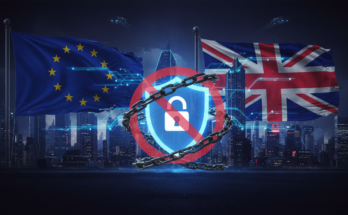
After Michigan recently pushed for a ban on both porn and VPNs, neighbouring Wisconsin has joined the censorship jamboree, although in a toned down version. Along with strict age verification requirements, the state wants it to be illegal for porn sites to allow access with VPNs. As with the Michigan bill, right-wing Republicans are pushing the bill, and because they control both chambers of the State legislature, it is expected to pass.
Until now, nearly every country which had any restrictions or bans on VPNs have been countries not known for their democratic or liberal values. They range from North Korea to Iran and Turkey. Outside of the USA in the Western World, the UK is flirting with the idea of imposing restrictions. There were fears that the British government might push for a total ban on VPNs, but instead it is now considering making their use illegal to under 18s. This is despite the fact that the same UK government recently allowed 16- and 17-year-olds to vote in national elections, and despite the UK age verification laws notoriously going beyond simply porn, but also covering any material deemed possibly harmful to minors. This has led to X.com blocking graphic videos from Gaza and such, for visitors from Britain. It would appear that, similar to the British rules, the age verification bill in Wisconsin targets a broad range of material “harmful to minors”.
Many people, especially those working in the adult industry, suspect that the push for strict age verification laws happening around the world is more about making porn sites unprofitable rather than protecting children. Age verification is currently expensive and difficult to implement, with even mega porn sites such as Pornhub deciding it is not financially worth it and instead simply blocking visitors from the states or countries demanding age verification. The thousands of much smaller adult sites simply do not have a chance to remain profitable. Having to install software to block VPN traffic would only add to the costs.
There is a small backlash to the plans to restrict VPNs from liberty and free speech groups. “Fight for the Future” is one such group that has launched a petition against VPN bans, as well as calling for a “day of action” to protest the moves. And in the UK, the populist Reform UK party has promised to scrap the UK Online Safety Act if it is elected at the next general election (which currently is expected to do).